
Under the Hood of Bitcoin: A Technical Analysis for Non-Techies
Launched in 2009 by the pseudonymous entity Satoshi Nakamoto, Bitcoin has revolutionized the concept of money. As the first decentralized cryptocurrency, Bitcoin represents more than just digital money—it embodies a radical shift towards decentralized finance. You can also experience hands-on trading with ease on bitcoin billionaire, a user-friendly online platform built for both newbies and seasoned traders.
The Basics: What Is Bitcoin?
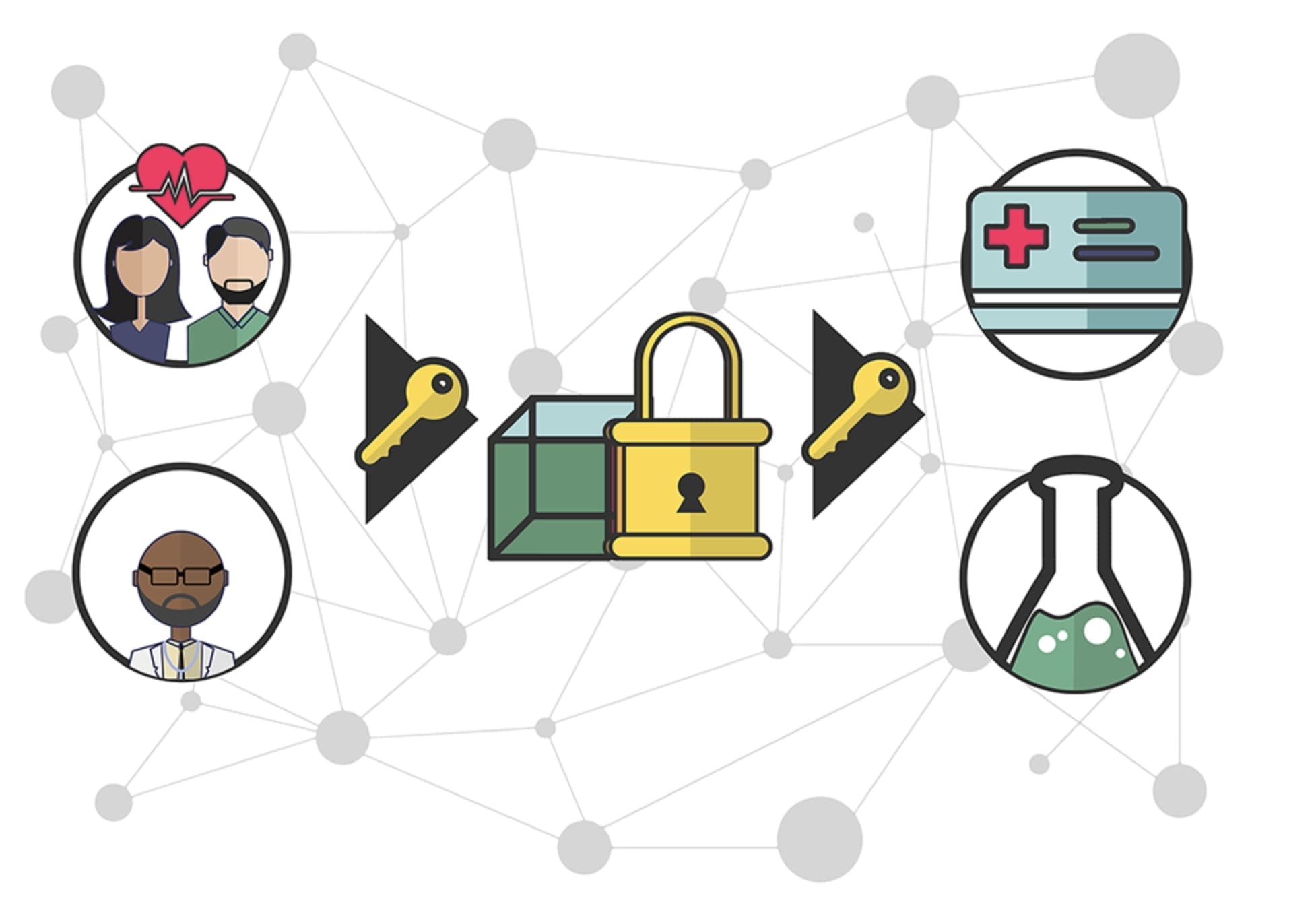
 At its core, Bitcoin is a digital, decentralized currency. Unlike traditional fiat currencies issued by governments, Bitcoin operates on a decentralized network of computers. Its value isn't derived from physical commodities but from the trust and consensus of its users. Equally essential are public and private keys: cryptographic tools ensuring the security and ownership of your coins. Think of your public key as your home address and the private key as the key to your front door.
Understanding the Blockchain: Bitcoin’s Ledger
Imagine a publicly available accounting ledger and maintained by numerous volunteers worldwide—that's the blockchain for Bitcoin. Every transaction gets recorded in 'blocks', which, once filled, are linked chronologically to form a 'chain'. This decentralized mechanism ensures transparency and reduces the risk of manipulation.
Mining: The Heartbeat of Bitcoin
Mining isn't about pickaxes and hard hats in the Bitcoin world. It's a computational process where powerful computers (known as miners) solve complex mathematical problems. When they solve a problem, they validate a group of transactions and add a new block to the blockchain. This process—Proof-of-Work—requires considerable energy but ensures the network's security and integrity. In return for their efforts, miners earn newly minted Bitcoin, incentivizing their continued participation.
Transactions: How Money Moves on the Bitcoin Network
Sending or receiving Bitcoin may seem instantaneous, but a lot happens behind the scenes. Transactions use UTXOs, which are somewhat akin to the change you receive after paying in cash. When you send Bitcoin, you use these UTXOs, and the transaction gets broadcast to the network. Miners then validate the transaction, and once confirmed, it's irrevocably recorded on the blockchain. Also, transactions aren't free: transaction fees compensate miners for their work.
Security Measures: Keeping the Bitcoin Network Safe
Security is paramount for Bitcoin. Cryptographic hashing, a complex function that turns data (like a transaction) into a fixed-size string of numbers and letters, ensures each block's integrity. If someone tries to alter a block, the hash changes, alerting the network.
One might wonder: What if someone controls more than half the network's mining power? This potential scenario, called a '51% attack', remains theoretically possible but is highly improbable given the sheer computational power and financial resources required.
Challenges and Criticisms: Not All Sunshine and Rainbows
Bitcoin is revolutionary, but it isn't perfect. One significant criticism revolves around the environmental concerns of Bitcoin mining. The energy-intensive nature of Proof-of-Work means vast amounts of electricity are consumed—akin to the energy usage of entire countries.
Scalability poses another challenge. As the number of users grows, the Bitcoin network can become congested, leading to delays and higher fees. Solutions like the Lightning Network aim to address these concerns by moving some transactions off the main blockchain.
And then there's regulation. Many governments grapple with how to regulate or tax Bitcoin, leading to a patchwork of policies worldwide.
What the Future Holds: The Evolution of Bitcoin
Bitcoin's journey is ever-evolving. Technological enhancements like Taproot and Schnorr signatures promise increased privacy and efficiency. And while debates about Bitcoin's role (a store of value like gold versus a daily medium of exchange) persist, its influence on the broader cryptocurrency and financial landscapes remains undeniable.
Practical Tips for Non-Techies Interacting with Bitcoin
If you decide to venture into Bitcoin
Ensure your wallet's security. Consider hardware wallets, which store your private keys offline.
Back up everything. If you lose access to your wallet, your Bitcoin is gone forever.
Stay vigilant. Cryptocurrency, unfortunately, attracts scammers. Only use reputable sources and platforms, and always double-check URLs and addresses.
Conclusion: Demystifying the World’s First Cryptocurrency
Bitcoin is more than a digital coin; it's a technological marvel, a testament to human ingenuity. As we continue in this digital age, the complexities under Bitcoin's hood only underscore its monumental impact on the world. Whether you're a techie or not, understanding Bitcoin is understanding a pivotal piece of our digital future.
Fabriana Gabriel
Finance & Lifestyle Contributor
Fabriana writes about personal finance, business growth, lifestyle, and everyday consumer topics for TopTechPal. She covers money management, marketing strategy, and the wider world beyond pure tech.